
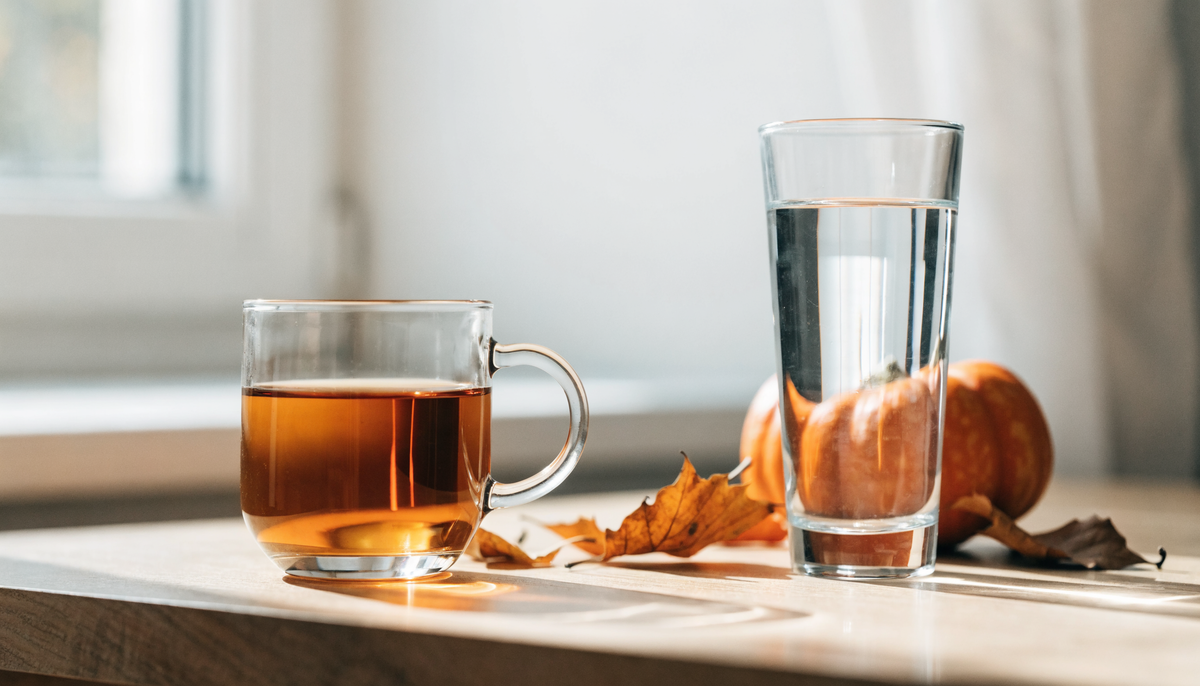
The days grow shorter, your alarm goes off in the dark, and you drag your feet from the moment you get up. Autumn fatigue affects a huge number of people between late September and November, and it is not imaginary. The good news is that it responds very well to a few simple adjustments. Here are six practical steps to put into action this week.
Why autumn fatigue returns every year
Autumn fatigue is mainly caused by the decrease in natural light, which shifts your biological clock and alters the secretion rhythm of melatonin, the hormone that prepares you for sleep. When the sun rises later and sets earlier, your body receives a weaker wake-up signal in the morning and an earlier sleep signal in the evening.
On top of that come the switch to winter time, the intense return after summer, turning the heating back on, and much drier indoor air. The result feels like a diffuse lack of energy: difficult mornings, daytime slumps, sugar cravings, and concentration that goes up and down. In the vast majority of cases, it is nothing serious, but it deserves to be taken seriously.
1. Seek out the morning light
Spending twenty minutes in daylight within an hour of waking up is the most effective thing you can do to combat autumn fatigue. Even on overcast days, outdoor light remains ten to fifty times brighter than a lit indoor space, and it is this signal that resets your internal clock.
In practice: get off the tram one stop earlier, have your coffee outside, or walk around the block before starting work. If you really leave before sunrise, a light therapy lamp used in the morning is an option that many people find helpful; ask your doctor if you have any doubts.
2. Reset your sleep instead of sleeping more
Regularity in your schedule matters more than the total number of hours you sleep, especially in autumn when the temptation to sleep in is strong. Getting up at the same time seven days a week, including Saturdays, stabilizes your rhythm far more effectively than two nights of catching up on sleep.
Keep your bedroom cool, around 18 degrees, and turn off bright screens about an hour before going to bed. Also pay attention to the time of your last coffee: caffeine remains active much longer than you might think, and our article on natural caffeine and its effect on energy explains why not all sources are equal.
3. Keep drinking as you do in summer
As soon as the weather turns cool, the feeling of thirst fades even though your needs do not really decrease, and this is a widely overlooked cause of fatigue in autumn. Heating dries out indoor air, you sweat without noticing under several layers of clothing, and you naturally drink less than you do in July.
Even mild dehydration reduces alertness and increases the feeling of fatigue. Water is obviously the foundation, and it is sufficient on most ordinary days. Herbal teas and broths count too. If you do several indoor workout sessions in a heated room, or if you sweat a lot, getting some minerals makes sense: our guide to electrolyte drinks explains the situations where they really make a difference, and our BUDDY electrolyte sticks provide 252 mg of sodium, 300 mg of potassium, and 56 mg of magnesium per stick, with no sugar. Their contents are compared with those of other brands on drinkscore.info.
4. Keep an eye on your magnesium intake and seasonal produce
Magnesium helps reduce fatigue and supports the normal functioning of the nervous system, and it is one of the minerals whose intake is most often just adequate in Europe. It is found in almonds, nuts, dark chocolate, legumes, whole grains, and green vegetables.
Also make the most of seasonal produce: squash, cabbage, leeks, apples, pears, and chestnuts. And keep an eye on vitamin D, whose production by the skin drops sharply from autumn onward at our Belgian latitudes. A blood test and medical advice are better than taking supplements at random. To learn more about the role of these minerals when your muscles are cramping, our article on muscle cramps and electrolytes goes further.
5. Move even when it's gray
Moderate, regular physical activity remains one of the best-documented ways to reduce feelings of fatigue, and that's the paradox: expending energy gives you more back. Thirty minutes of brisk walking, cycling, or swimming three times a week is more than enough to make a difference.
Ideally in autumn, do this activity outdoors in daylight to combine the effects of movement and light. If motivation is lacking, the simplest approach is to block out a fixed time in your calendar rather than waiting for the urge, which rarely comes in the rain.
6. Choose energy that doesn't crash
The 10 a.m. pain au chocolat and the day's third coffee provide a brief boost followed by a sharp crash, which perpetuates the cycle of fatigue instead of breaking it. More stable energy comes from whole carbohydrates, a proper lunch break, and a better-dosed source of caffeine.
That's exactly the idea behind Buddy cans: 80 mg of natural caffeine from guarana, just 13 kcal per 100 ml, ginkgo biloba, and none of the sugary profile of classic energy drinks. If you want to compare the different options before choosing, our article on the post-lunch slump reviews what really works.
Your typical day for getting through autumn
Here's how to spread these six levers throughout an ordinary day without turning everything upside down.
| Time | The reflex | Why it works |
|---|---|---|
| Upon waking | A large glass of water and the curtains open | Makes up for the night and activates the light signal |
| Before 10 a.m. | 20 minutes outdoors, even on gray days | Resets your biological clock |
| Morning | One source of caffeine, not three | Prevents the mid-afternoon slump |
| Midday | A complete meal with seasonal vegetables | Magnesium intake and stable blood sugar |
| 15 h | A glass of water and five minutes standing up | Against the subtle dehydration caused by heating |
| End of the day | 30 minutes of walking or exercise | Reduces fatigue and prepares you for sleep |
| Evening | Screens off one hour before bedtime | Let melatonin do its job |
When fatigue is no longer just seasonal
If your fatigue lasts more than a few weeks despite adequate sleep, if it is accompanied by persistent sadness, loss of appetite or interest, or if you experience unusual shortness of breath, consult your doctor. Iron deficiency, a thyroid problem, sleep apnea, or seasonal depression can be treated very effectively, but first they must be identified. No advice read online replaces medical advice.
Frequently asked questions about autumn fatigue
How long does autumn fatigue last?
It generally lasts two to four weeks, while your body adapts to the new light pattern. If it persists for more than a month or worsens, talk to your doctor.
Is autumn fatigue the same thing as seasonal depression?
No. Autumn fatigue is a temporary drop in energy linked to adapting to light levels. Seasonal depression is a defined medical condition, with lasting sadness, loss of interest, and a real impact on daily life, which requires professional support.
Which vitamin should you take for autumn fatigue?
Vitamin D is most often involved, since its production by the skin drops sharply as sunlight decreases. The best approach is to have a blood test and follow your doctor's advice rather than taking supplements blindly.
Do you need to drink as much in autumn as in summer?
Your needs decrease slightly, but much less than your sensation of thirst, and heating dries out indoor air. Maintain a regular water-drinking routine instead of waiting until you feel thirsty.
Does coffee help or worsen autumn fatigue?
One or two coffees in the morning can help with alertness. On the other hand, having multiple cups late in the day worsens sleep quality and contributes to fatigue the next day. Set yourself a cutoff time, ideally in the early afternoon.
Does light therapy really work?
This is a widely used approach for the effects of a lack of winter sunlight, involving morning exposure. Ask a healthcare professional for advice before starting, especially if you have an eye condition or are undergoing treatment.
Autumn fatigue is best managed with morning light, regular sleep schedules, consistent hydration, and movement even under gray skies. Start with just one of these six levers this week, then add the next. And if nothing changes after a month, talk to your doctor.