You want energy before your workout without swallowing a powder containing fifteen ingredients, half of which you do not understand. Good news: the mechanisms that make a pre-workout effective are quite simple, and nature already provides them. Here are 8 natural options that really work, with the right dosages and timing.
What a pre-workout really does
Three levers, not fifteen
A good pre-workout acts on three things. First, alertness, by reducing the perception of fatigue and improving concentration. Next, available energy, with carbohydrates that can be mobilized quickly. Finally, blood circulation and the delivery of oxygen to the working muscles.
Everything else is often just marketing. A formula with twenty active ingredients does not outperform a well-designed combination of caffeine, carbohydrates, and nitrates. That is precisely why a natural approach compares so well.
Why many athletes are moving away from conventional powders
Synthetic formulas often contain 250 to 400 mg of caffeine per serving, sometimes more. At that level, side effects appear quickly: palpitations, tremors, disrupted sleep, and tolerance that develops within a few weeks. As a result, you increase the doses to recapture the initial feeling.
Artificial sweeteners, colorants, and flavors are also added, and some stomachs do not tolerate them well just before exercise. A natural source generally releases its caffeine more gradually, limiting the sharp spike followed by a crash.
The 8 best natural pre-workouts
1. Black coffee
The most accessible and best-documented option. An espresso provides 80 to 100 mg of caffeine, while a lungo provides around 120 to 150 mg. Caffeine reduces the perception of effort and improves both endurance and strength. Its only drawback: acidity, which some people do not tolerate well on an empty stomach.
2. Yerba mate
This South American plant contains natural caffeine along with theobromine and saponins. The boost is gentler than coffee's, and the feeling of energy lasts longer, without the typical jitters. An infusion provides approximately 70 to 85 mg of caffeine.
3. Guarana
Guarana seeds contain one of the highest concentrations of caffeine in the plant kingdom. Their distinctive feature is their tannins, which slow the release of caffeine in the body. You get energy that builds gradually and lasts for several hours, making it an excellent choice for long sessions.
4. Green tea and matcha
The combination of caffeine and L theanine is the most interesting option for those looking for focus without jitters. L theanine softens the stimulating effect while supporting attention. A matcha provides around 60 to 70 mg of caffeine.
5. Beetroot juice
Rich in nitrates, it promotes vasodilation and improves the efficiency of oxygen use. The evidence for endurance is strong. The protocol used by athletes is to drink 250 to 500 ml two to three hours before exercise, repeating the intake for several consecutive days to achieve a clear effect.
6. Banana and dates
The simplest fuel there is. A banana provides around 25 g of readily available carbohydrates, plus potassium, which is useful for muscle contraction. Three dates do the same job with an even faster effect. Have them 30 to 45 minutes before your workout.
7. Water and electrolytes
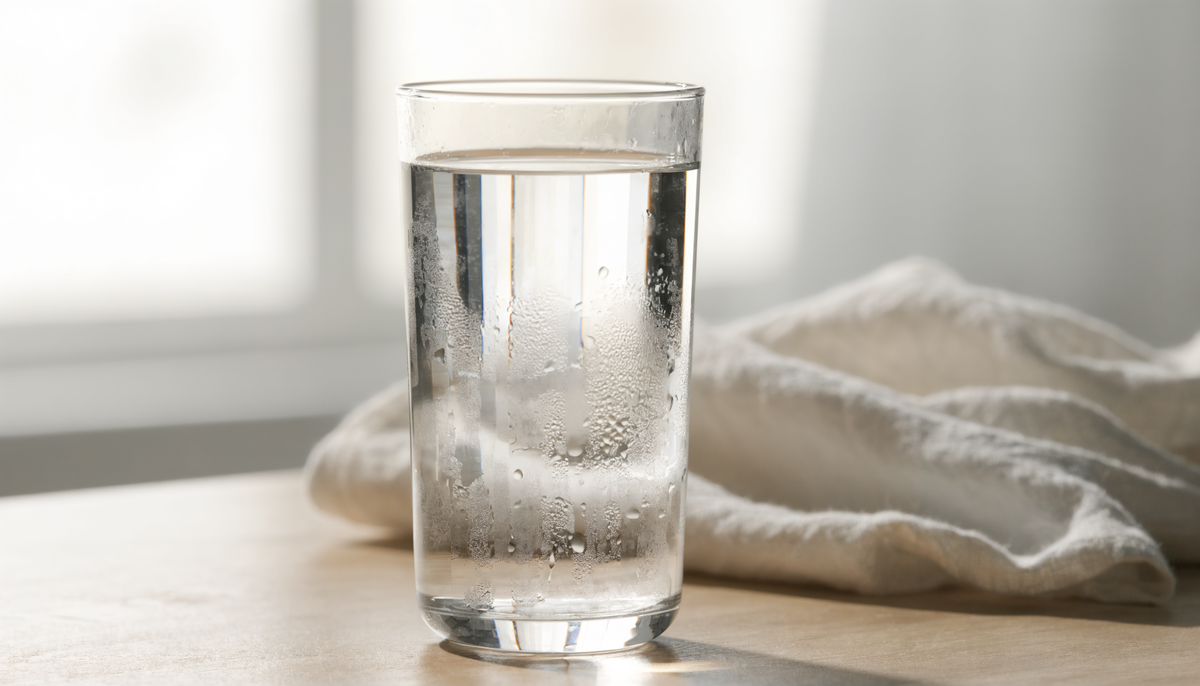
The most overlooked performance factor. Arriving dehydrated for your workout costs more performance than any supplement can provide. Losing 2% of your body weight in water is enough to reduce strength and endurance. Drink 400 to 500 ml in the hour before, with sodium, potassium, and magnesium if you sweat heavily or train in a hot gym.
8. A natural ready-to-drink energy drink
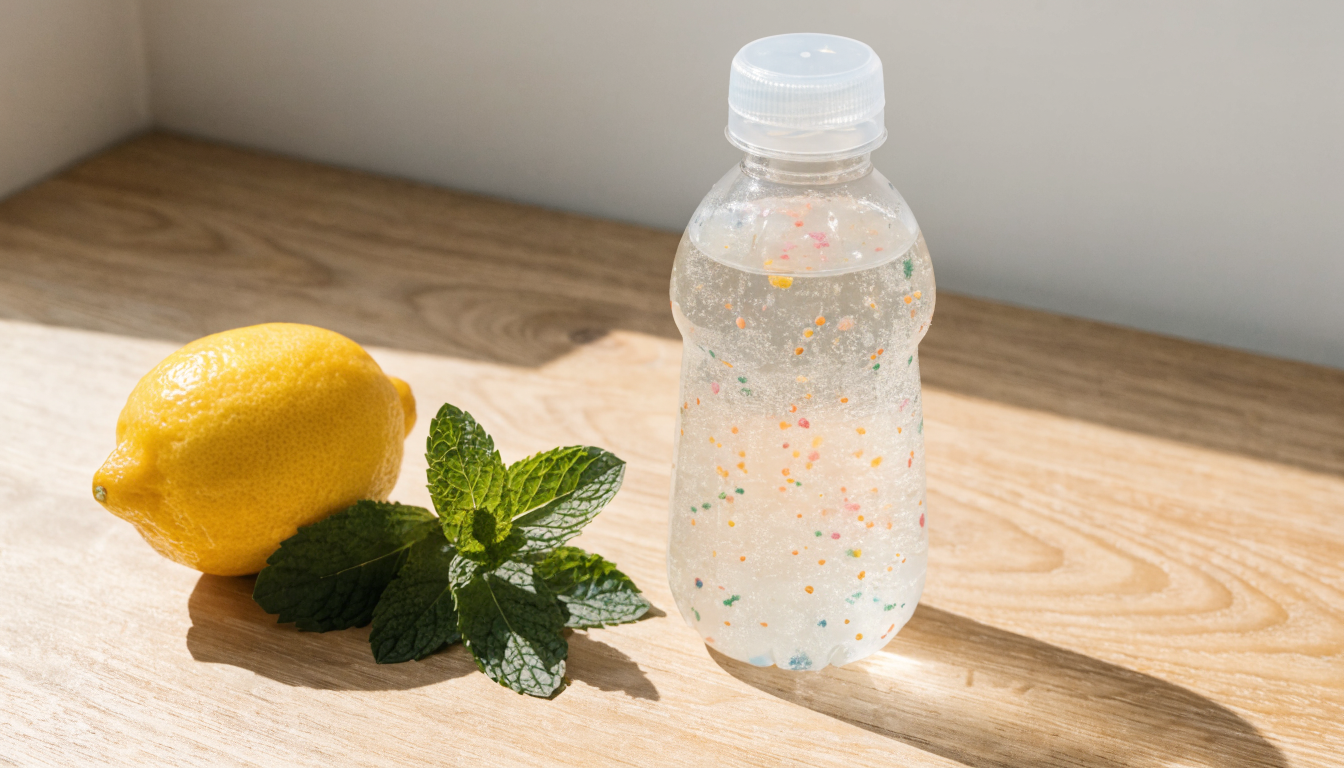
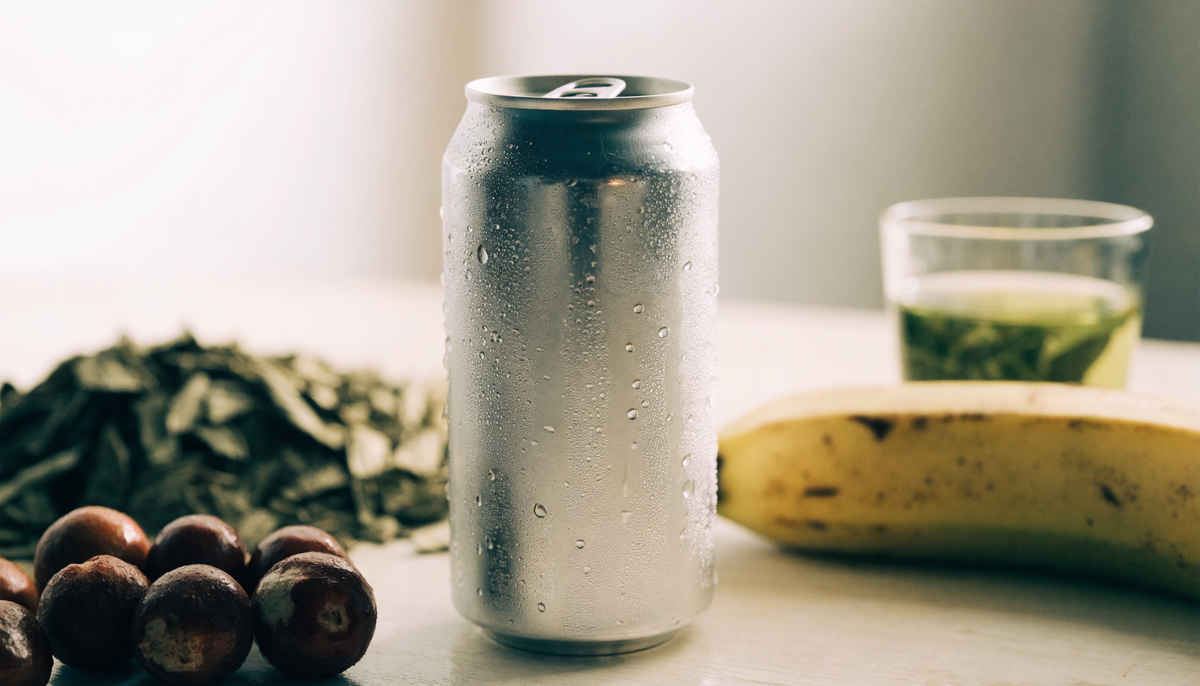
The practical option when you go to the gym after work and preparing an infusion isn't realistic. The selection criteria are simple: a plant-based source of caffeine, no unnecessary sugar, no glucose-fructose syrup, and a short ingredient list. Buddy cans follow this approach with 80 mg of natural caffeine, guarana, ginkgo biloba, and 13 kcal per 100 ml.
For guarana and yerba mate in particular, we go into more detail in our articles on guarana and yerba mate.
Timing and dosage: the rules that matter
How long before training
Caffeine reaches its peak blood level 30 to 60 minutes after ingestion. This is the window to aim for. For a slow-release source like guarana, allow slightly more time, around 45 to 60 minutes. Solid carbohydrates like a banana take 30 to 45 minutes to become available without weighing on the stomach.
Beetroot juice follows a different logic: allow two to three hours beforehand because nitrate conversion takes time.
The right caffeine dose
Scientific literature places the effective range between 3 and 6 mg per kilogram of body weight. For 70 kg, that comes to 210 to 420 mg, which is a lot. In practice, most athletes get most of the benefit from 2 to 3 mg per kilogram, in other words 140 to 210 mg for 70 kg. Start low and increase if necessary.
Useful guideline: the European Food Safety Authority considers 200 mg in a single dose safe for a healthy adult, and 400 mg over the course of a day.
Common mistakes
Combining sources is the most common mistake. Two coffees, a tea, and an energy drink in the same afternoon can easily bring you to 350 mg without realizing it. The second mistake is having it before every workout. Limiting caffeine to two or three training sessions per week prevents tolerance from developing and keeps its effect intact. The third mistake is training late in the evening with a caffeinated pre-workout. Caffeine's half-life is around five hours, and your sleep will pay the price.
For hydration during your workout, volume guidelines can be found in our article on how much to drink depending on your distance.
Two homemade recipes that work
Energy and focus, for strength training
Chilled yerba mate infusion, the juice of half a lemon, a pinch of sea salt, and a teaspoon of honey. Drink 45 minutes before your workout. You get a gradual release of caffeine, some carbohydrates, and sodium for hydration.
Endurance, for long sessions
200 ml of beetroot juice, 200 ml of coconut water, one mashed or blended banana, and a pinch of salt. Drink 90 minutes beforehand. The nitrates, potassium, and carbohydrates work together during efforts lasting more than an hour.
And for after your workout, our article on what to drink after exercising covers everything, from the recovery window to common mistakes.
FAQ: your questions about natural pre-workouts
Is a natural pre-workout as effective as a commercial powder?
When it comes to the factors that really matter, yes. Caffeine is caffeine, regardless of its source. Powders sometimes provide beta-alanine or citrulline in high doses, with measurable but modest effects. For the vast majority of athletes, a properly dosed natural source does the job.
Can you take a pre-workout on an empty stomach?
Caffeine alone is generally well tolerated on an empty stomach, but the stimulating effect is more pronounced and sometimes unpleasant. Highly acidic coffee and beetroot juice are the least well tolerated in this situation. If you train fasted, try it first during an easy workout.
What natural pre-workout should you take before an evening workout?
After 4 p.m., it is better to avoid caffeine if you go to bed around 11 p.m. Focus instead on carbohydrates and hydration: a banana, beetroot juice, and an electrolyte-rich drink. You can maintain performance without sacrificing sleep, which remains your primary recovery tool.
Is guarana better than coffee?
Different rather than better. Coffee provides a quick boost, ideal before a short, intense workout. Guarana releases its caffeine more slowly thanks to its tannins, making it more suitable for longer sessions or busy days when you want to avoid an energy crash.
Do you need to take it before every workout?
No, and it is actually counterproductive. Daily use builds tolerance within two to three weeks. Save your pre-workout for sessions when you really want to perform, two or three times a week at most.
Our Buddy cans provide 80 mg of natural caffeine and 13 kcal per 100 ml, making them a simple option before a workout. The amounts in other energy drinks are published on drinkscore.info.
Key takeaway
An effective natural pre-workout comes down to three elements: a plant-based caffeine source at 2 or 3 mg per kilogram of body weight, fast-acting carbohydrates, and proper hydration with electrolytes. Take it 30 to 60 minutes before your workout, limit use to two or three times a week, and avoid caffeine after mid-afternoon.
The simplest test to start with: during your next workout, replace your usual powder with a natural source of caffeine and a banana, then compare how you feel. Most athletes notice no loss in performance, but sleep much better that evening.